

close
Choose Your Site
Global
Social Media
Views: 0 Author: Site Editor Publish Time: 2026-10-08 Origin: Site


Selecting the right cooking appliance dictates both the workflow and the lifespan of your kitchen setup. Among the most critical decisions a homeowner or contractor must make is choosing the perfect kitchen hob, as it serves as the operational engine of your culinary space. You need an appliance rugged enough to withstand daily thermal stress, yet refined enough to anchor your interior design. In this technical guide, we will break down the engineering realities between glass and metal surfaces, moving beyond basic aesthetics to evaluate structural durability, maintenance requirements, and current industry shifts.
Surface Finish and Integration: Glass provides a sleek, premium appearance that acts as a flush extension of your countertops. It requires regular wiping to prevent visible smudges. Metal offers a timeless, professional, and industrial aesthetic.
Structural Durability: Metal chassis are virtually unbreakable and easily handle the heavy blunt impact of cast-iron pans. Treated glass is highly heat-resistant but can fracture under extreme, concentrated mechanical force on its unprotected edges.
Maintenance Realities: Non-porous surfaces cater to a fast cleanup routine, allowing you to wipe away spills effortlessly without aggressive scrubbing. Conversely, brushed metal hides daily dust better but requires specific grain-aligned cleaners to prevent water spots.
Culinary Application: Aggressive techniques involving high-heat wok tossing strongly favor the ruggedness of metal alloys. Standard daily meal prep, including simmering sauces or boiling liquids, pairs beautifully with glass units.
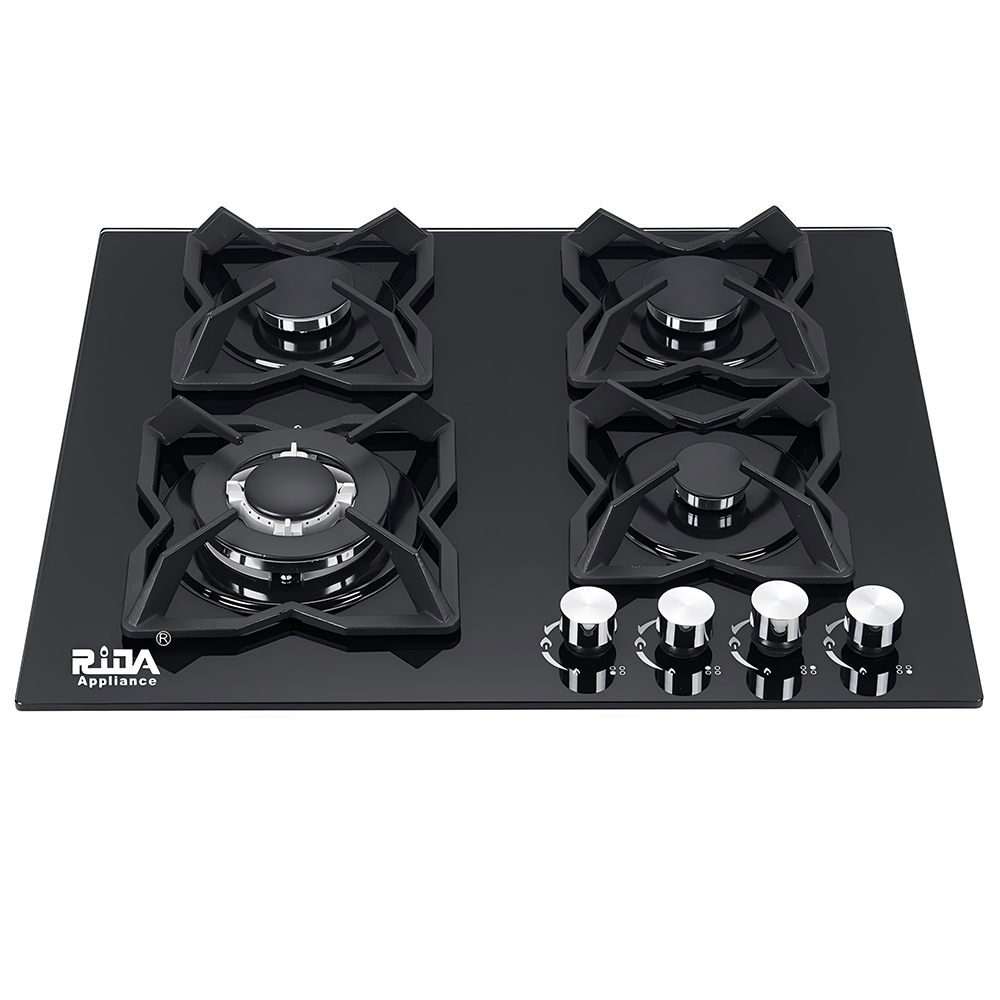
A tempered glass gas hob is an advanced cooking appliance that utilizes a specially treated 7mm to 8mm thick glass panel as its foundation. To achieve its remarkable structural strength, standard annealed glass undergoes a rigorous thermal tempering process. The material is heated to over 600 degrees Celsius and then rapidly cooled using high-pressure air drafts. This specialized manufacturing technique creates intense internal tension and surface compression. As a result, the panel becomes up to four times stronger than standard residential window glass.
From an architectural perspective, these surfaces are highly sought after for their minimalist, reflective visual appeal. Typically available in deep obsidian black or pure stark white, these units sit flush with stone or quartz kitchen counters. This creates a seamless, uninterrupted transition that instantly modernizes modular kitchens.
Effortless Surface Cleaning: The completely flat, non-porous structure means acidic spills like bubbling tomato sauce or splashed cooking oil cannot penetrate the material. A simple swipe with a damp microfiber cloth removes fresh stains instantly.
Permanent Gloss Retention: Unlike metals that can oxidize or stain over decades of thermal cycling, high-quality treated glass retains its reflective showroom shine for the entire lifespan of the appliance.
Absolute Corrosion Resistance: The panel is inherently immune to rust and galvanic corrosion, making it a superior choice for highly humid environments or coastal properties.
High Visibility of Particulates: Dark reflective surfaces act almost like a mirror. They prominently highlight settling airborne dust, minor grease splatters, and fingerprints. Perfectionists will find themselves wiping the unit down daily.
Vulnerability to Point-Impact: While incredibly resilient against flat, evenly distributed weight, the exposed edges remain the weak link. Dropping a heavy, sharp object directly onto the perimeter can overcome the surface compression and trigger a fracture.
Representing the traditional, industrial standard for thermal appliances, a stainless steel gas hob is stamped from heavy-duty metal alloys. Premium units typically utilize 304-grade austenitic stainless steel. This specific alloy contains precise ratios of chromium and nickel engineered to prevent oxidation and withstand severe environmental conditions.
There is a definitive engineering reason why bustling commercial restaurant kitchens exclusively utilize metal surfaces. The material is rugged, highly functional, and designed to endure constant physical abuse without catastrophic structural failure. Integrating a steel unit into a residential home imparts a distinct chef-grade authenticity.
Unmatched Structural Toughness: Metal alloys will never shatter, crack, or explode under pressure. The chassis is designed to absorb heavy mechanical stress, outlasting almost any other functional component in your kitchen.
High Impact Tolerance: Users can aggressively slide heavy pots across the surface or accidentally drop a skillet without fear of destroying the internal components.
Conceals Minor Debris: The brushed grain of the factory finish naturally camouflages minor dust particles and small grease splatters far better than a highly reflective panel.
Susceptibility to Micro-Scratches: If cleaned aggressively with abrasive materials like steel wool or harsh scouring pads, the surface develops permanent, circular swirl marks that ruin the uniform factory grain.
Thermal Discoloration: Over years of intense high-heat output, the metal immediately surrounding the brass burners may develop a yellowish or bluish heat tint that cannot be polished away.
Difficult Deep Cleaning: Baked-on grease can become stubbornly trapped within the microscopic grooves of the brushed steel. Fully eradicating these stains requires specialized chemical cleaners and rigorous, grain-aligned scrubbing.
To make an informed purchasing decision, contractors and homeowners must evaluate the core differences across practical, day-to-day metrics. The table below outlines the primary comparative data at a glance.
Performance Metric | Toughened Glass Panel | 304-Grade Stainless Steel |
|---|---|---|
Aesthetic Integration | Modern, sleek, minimalist, reflective | Classic, industrial, professional, rugged |
Blunt Impact Resistance | Moderate. Edges are vulnerable to heavy drops. | Extremely High. Will dent but never shatter. |
Surface Hardness | High. Resists minor scratches from standard sponges. | Low. Prone to micro-scratches if scrubbed hard. |
Maintenance Routine | Easy spray and wipe, but required frequently. | Moderate. Requires specialized scrubbing with the grain. |
Thermal Tolerance | High. Thermally stable up to specific manufacturing limits. | Very High. Handles extreme heat but may discolor. |
Longevity of Finish | Retains original gloss indefinitely. | May dull, scratch, or stain over decades of heavy use. |
The visual integration of your built-in cooktop plays a pivotal role in the spatial ambiance of the room. Glass aligns flawlessly with contemporary spaces featuring high-gloss cabinets, handle-less drawers, and minimalist hardware. It acts as a sleek continuation of a dark granite countertop. On the other hand, metal provides a highly versatile look. It fits seamlessly into traditional wood-finished kitchens just as well as it anchors modern industrial-style lofts, easily matching oversized refrigerators and wall ovens.
Both materials are engineered to safely manage the intense temperatures generated by multi-kilowatt burners. Glass is thermally stable and efficiently isolates heat. Therefore, the surface area away from the active flame remains relatively cool to the touch. Being a conductive metal, steel transfers heat much more readily. While it boasts a higher absolute melting point, the chassis surrounding the burners can become quite hot during prolonged meal prep, leading to eventual thermal discoloration.
This dynamic represents the most critical engineering trade-off. Glass is a remarkably hard material on the Mohs scale, meaning it easily wards off surface scratches from cleaning cloths or minor abrasions. Yet, it is structurally brittle, lacking the toughness to absorb blunt force. Conversely, steel is structurally tough. It absorbs heavy impacts by denting rather than breaking. However, its surface is relatively soft, making it highly susceptible to micro-scratches from sliding rough cast-iron cookware.
Analyzing recent market analytics and interior design movements reveals a definitive shift toward integrated, smart-home aesthetics. Consumers and residential developers are actively pivoting away from bulky, utilitarian appliances. Instead, the market heavily favors minimalist, low-profile designs.
Industry reports indicate that the demand for premium glass-surface appliances is steadily outpacing traditional metals, particularly in urban housing developments and luxury apartment renovations. This shift is largely driven by the popularization of open-concept living spaces. When the kitchen island is fully visible from the living room couch, the visual elegance of the appliance becomes just as crucial as its BTU output. Manufacturers are responding by upgrading these sleek units with high-efficiency brass burners and heavy-duty cast-iron pan supports, bridging the gap between high design and commercial performance.
When browsing home renovation forums, consumers frequently encounter alarming anecdotes about panels spontaneously exploding. It is vital to separate these anecdotal fears from objective material science to understand the true operational risks.
Modern units are not cut from standard windowpanes. As safety glass, the extreme thermal treatments they undergo create high compressive stress on the surface and tensile stress in the core. Because of this unique structural integrity, the material is highly resistant to standard blunt impacts. Furthermore, if pushed past its absolute breaking point, the tension causes the panel to crumble into small, blunt, pebble-like fragments rather than splintering into dangerous jagged shards. This is an intentional engineering safeguard designed to prevent physical injury.
Spontaneous, unprovoked failure is statistically negligible. When an incident does occur in the field, observational data almost always points to one of three specific installation or user errors.
Improper Installation: If installed on an uneven countertop cutout or if the mounting brackets are overtightened, the panel remains under constant, uneven mechanical tension. Over time, the minor vibrations generated by active cooking can trigger a fracture.
Severe Thermal Shock: While stable under normal cooking heat, extreme temperature differentials can compromise the surface. Placing a freezing-cold cast-iron pot directly onto an actively heated burner, or spilling a large volume of ice water onto a hot panel, can induce thermal shock.
Edge Impact: The absolute weakest points of any tempered panel are its perimeters. Dropping a concentrated weight, such as the sharp edge of a meat cleaver, directly onto the unprotected edge can cause a complete shatter.
Looking beyond manufacturer specifications and examining authentic, long-term user feedback reveals the true day-to-day realities of living with these appliances.
The most frequent praise for glass centers on its stunning integration into modern decor and the sheer speed of post-dinner cleanup. However, the primary complaint from meticulous homeowners is the constant visibility of smudges. Dark reflective surfaces act as a mirror for airborne flour, minor oil splatters, and fingerprints. Users who demand a pristine kitchen often note feeling compelled to wipe the surface down every single day, even when they have not cooked a heavy meal.
Classic metal receives high praise for its rugged, forgiving nature during chaotic holiday cooking. Yet, negative feedback almost exclusively revolves around permanent cosmetic damage caused by accidental user error. A common regret involves homeowners attempting to scrub away baked-on soup using the abrasive side of a kitchen sponge. This permanently ruins the factory grain, leaving unsightly swirl marks that catch the kitchen lighting and simply cannot be polished out.
Making the final decision requires a systematic evaluation of your physical space and daily routines. Turn abstract preferences into concrete purchasing standards using the following criteria.
Analyze Culinary Load: Be honest about your habits. Heavy-duty, aggressive cooking involving wok tossing demands the ruggedness of metal. Controlled, moderate meal prep aligns perfectly with glass.
Verify Cutout Dimensions: Before selecting a material, measure your existing granite cutout. Ensure the new chassis will drop in without resting unevenly on the edges, which is critical for preventing mechanical stress fractures.
Check Safety Features: Regardless of the surface material, mandate that your chosen unit includes a Flame Failure Device. This thermocouple technology automatically shuts off the gas supply if the flame is unexpectedly extinguished by a draft or spill.
Evaluate Burner Configuration: Look for models offering versatile layouts, such as 4-burner configurations with robust cast-iron supports. High-efficiency brass burners ensure optimal heat delivery while resisting long-term corrosion.
Understanding the engineering realities between these two materials is the first step toward a successful kitchen upgrade. Ultimately, there is no universal superior material, only the best fit for your specific operational workflow. Glass offers an undeniably sleek design for modern homes, rewarding those willing to perform a quick daily wipe with a consistently beautiful surface. Meanwhile, metal provides unmatched, rugged durability for heavy daily cooking, forgiving heavy impacts while requiring slightly more effort for deep cleaning.
By honestly evaluating your culinary style, aesthetic preferences, and maintenance habits, you can confidently select an appliance that will serve as the perfect centerpiece for years to come. If you are ready to upgrade your kitchen with premium engineering and stunning design, explore the high-performance catalog at Ridax Cooker to find the exact model that meets your household's demands.
No, it is not structurally difficult to maintain because it requires zero heavy scrubbing. A quick spray of non-abrasive cleaner and a wipe with a microfiber cloth will remove most fresh spills instantly. However, it does require frequent attention, as the dark, reflective surface easily highlights settling dust, water spots, and fingerprints.
Yes, you can safely use heavy cast iron cookware. The sheer weight of the pan is entirely supported by the heavy-duty cast-iron pan supports or trivets, not the delicate panel itself. The primary caution is simply to handle the cookware carefully. You must avoid accidentally dropping a heavy skillet directly onto the exposed surface, particularly near the fragile edges.
Deep gouges in the metal are unfortunately permanent. However, minor micro-scratches and surface scuffs can often be blended out. You can utilize a specialized polishing compound applied with a soft cloth, ensuring that you always rub strictly in the same direction as the factory grain. Using circular motions will only create highly visible swirl marks.
No, the surface material has absolutely no impact on gas consumption or thermal efficiency. Gas efficiency is entirely dictated by the engineering of the internal valves, the design of the brass burners, and the precise mixture of oxygen and fuel. Both chassis types will perform identically if equipped with the same burner components.
For stubborn, carbonized food spills, avoid using abrasive steel wool at all costs. Instead, apply a dedicated ceramic or glass cooktop cleaning paste. Allow the paste to sit and break down the carbonized material for several minutes. Then, gently scrape the debris away using a specialized plastic scraper held at a 45-degree angle, finishing with a soft microfiber polish.


