

close
Choose Your Site
Global
Social Media
Views: 0 Author: Site Editor Publish Time: 2026-10-21 Origin: Site


As an engineer who has tested hundreds of combustion systems, I often see buyers make a critical mistake. They obsess over burner aesthetics but entirely ignore the thermodynamic engine driving the system. Bringing the wrong chemical fuel mix to a freezing campsite guarantees a dead flame. There is perhaps nothing more demoralizing than realizing a fundamental chemistry error has ruined your highly anticipated wilderness trip. With a saturated market offering countless options, choosing the right equipment and matching it with the precise chemical gas profile can feel incredibly overwhelming.
Whether you are outfitting a family vehicle for a weekend at the lake, parsing down ounces for an alpine ascent, or prepping for a multi-week off-grid overland expedition, understanding fuel chemistry is the final crucial step before making a confident purchase. In this comprehensive guide, we will break down the exact thermodynamics of outdoor fuels. Ultimately, this knowledge will empower you to select the perfect camping gas stove tailored to your specific environmental needs.
Butane provides highly affordable low-pressure performance that is optimal for warm-weather car camping and tabletop applications.
Propane delivers consistent vaporization in sub-freezing temperatures, making it the undeniable standard for heavy-duty basecamp environments.
Isobutane-Propane blends offer a scientifically balanced middle ground, giving backpackers lightweight packability coupled with all-season reliability.
Matching your fuel chemistry to your specific environmental variables—namely altitude and ambient temperature—is the single most critical factor in purchasing a reliable appliance.
Evaluating a stove requires looking beyond raw heat output to deeply consider fuel efficiency, boil time metrics, and structural wind resistance.
Before diving into the chemistry, we must look at where the market is heading. Analyzing recent global supply chain data reveals a fascinating shift in the portable outdoor equipment sector. Consumer demand has pivoted sharply from cheap disposable units toward high-efficiency climate-adaptable systems. Modern buyers are increasingly investing in gear that maximizes fuel economy and minimizes environmental impact.
This evolution drives manufacturers to innovate with integrated heat exchangers and precision micro-regulators. We are seeing a massive surge in demand for dual-fuel capabilities and wind-resistant burner architectures. Today's buyers must look beyond raw marketing claims to evaluate holistic system efficiency. Buying a generic stove is no longer sufficient; the industry standard now demands thermal efficiency that can handle unpredictable weather patterns without wasting gas.
To make an informed purchase decision, buyers must first understand a foundational engineering truth. A stove operates merely as a mechanical conduit. Its actual real-world performance is dictated entirely by the chemical properties of the fuel powering it. The fundamental mechanism driving any outdoor gas appliance relies heavily on the physics of vapor pressure.
Inside a sealed canister, fuel exists in a delicate state of equilibrium between liquid and gas. When you crack open the stove valve, the pressurized gas escapes to feed the burner head. To replace this lost vapor, the remaining liquid inside the canister must aggressively boil and vaporize. This phase change requires substantial heat energy, which the liquid absorbs from the surrounding environment and the metal canister walls themselves.
Consequently, this rapid absorption leads to a physical phenomenon known as evaporative cooling. As you run your appliance to fry eggs or boil water, the canister physically drops in temperature. You might even notice a layer of frost forming on the exterior metal. If the ambient air is already frigid, the canister can quickly plummet to the fuel’s absolute boiling point. Once the liquid drops below this critical thermal threshold, it simply ceases to vaporize. The internal pressure zeroes out, and your flame will sputter and die, even if you can still hear half a liter of liquid sloshing around inside.
Furthermore, altitude plays a complex role in this thermodynamic equation. As elevation increases, atmospheric pressure drops, which theoretically helps the fuel vaporize at slightly lower temperatures. However, high-altitude environments are almost universally accompanied by freezing alpine winds, completely counteracting this minor benefit. Deciding between hauling heavy steel propane tanks or packing lightweight blended cartridges requires a calculated assessment of your expected climate.
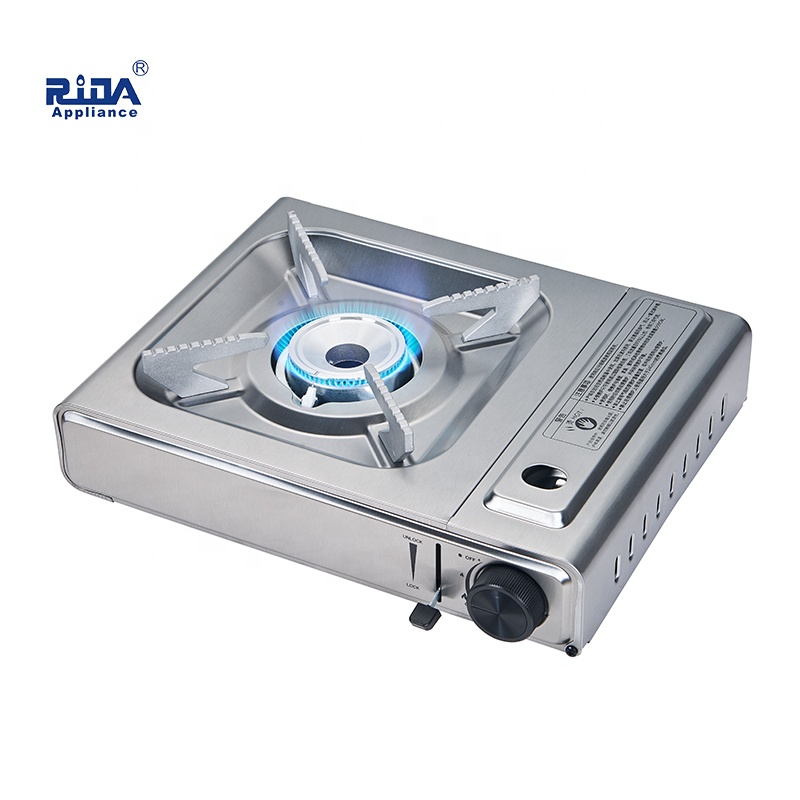
Understanding the distinct chemical profiles of the three primary outdoor fuels is absolutely essential for selecting the correct hardware. Each fuel type possesses a specific boiling point and vapor pressure curve that dictates its ideal real-world use case.
Fuel Type | Boiling Point | Vapor Pressure | Ideal Application |
|---|---|---|---|
Butane | 31.1 degrees Fahrenheit | Low | Summer car camping, tabletop cooking |
Isobutane | 11 degrees Fahrenheit | Medium | 3-season backpacking, high altitude |
Propane | Negative 44 degrees Fahrenheit | High | Winter basecamps, RV overlanding |
Butane is a highly accessible cost-effective fuel source widely embraced across the outdoor recreation industry. It possesses a relatively low vapor pressure. In practical terms, this means it can be safely stored in thin-walled lightweight aerosol-style canisters, drastically reducing your overall carry weight. It is budget-friendly, highly efficient in warm weather, and universally available.
However, the glaring limitation of butane is its high boiling point. As ambient temperatures dip toward freezing, butane stubbornly remains a liquid. It will refuse to vaporize and feed the burner, leaving you with a useless appliance on a cold morning.
Propane stands as the undisputed industry standard for high-output extreme-weather culinary applications. It features an incredibly low boiling point. This extreme chemical profile allows it to vaporize forcefully and consistently in sub-zero environments where all other fuels fail entirely. It delivers aggressive reliable pressure from the first ignition spark to the very last drop of liquid.
Because propane generates immense internal vapor pressure, routinely exceeding 100 psi at room temperature, it must be safely contained within heavy thick-walled steel cylinders. This structural requirement makes propane systems significantly bulkier and much heavier to transport.
Isobutane is a clever isomer of standard butane. It shares the same basic chemical formula but features a structurally different atomic arrangement. It is frequently blended with roughly 20 percent propane to boost performance. Isobutane boasts a lower boiling point than standard butane. The strategic addition of propane helps maintain internal canister pressure as temperatures drop. This blend offers vastly superior cold-weather performance compared to pure butane while remaining safe enough to store in lightweight thin-walled threaded canisters.
Identifying your specific user profile will streamline your purchasing process. This ensures you acquire the right gear while preventing you from over-investing in unnecessary overly complex hardware. Let us translate abstract profiles into actionable engineering benchmarks.
For individuals who drive directly to their campsite or event, ultralight metrics are largely irrelevant. The primary requirements here are structural stability, intuitive ease of use, and the ability to comfortably support standard kitchen cookware like heavy cast-iron skillets. How do you achieve this?
A flat suitcase-style portable butane cooker is highly recommended for this demographic. Look for units built with a cold-rolled steel body and enamel pan supports. These units offer a remarkably low center of gravity, making them incredibly stable for flipping pancakes or frying bacon. A premium unit should deliver around 2.9kW or 10,000 BTU of heat output, ensuring rapid boiling without compromising stability.
Overlanders and extended expedition campers require rugged equipment capable of withstanding prolonged exposure to harsh elements, intense vibrations, and rugged transport. Fuel longevity and extreme weather reliability are absolutely non-negotiable.
We recommend bulk refillable propane tanks connected via reinforced braided hoses to a heavy-duty outdoor cooker. Propane completely eliminates the anxiety of cold-weather pressure drops. It provides massive energy reserves to sustain complex multi-day cooking regimens without generating a mountain of disposable canister waste. Ensure your stove features solid brass valve assemblies to handle the high manifold pressure of pure propane.
Manufacturers frequently boast about rapid boiling speeds, advertising claims like boiling a liter of water in under three minutes. While visually impressive, raw speed almost always comes at the direct cost of fuel efficiency. A burner operating at its absolute maximum thermal output consumes gas exponentially faster.
You must assess whether your priority is melting snow as fast as possible in an alpine whiteout or conserving a single canister of gas over a meticulous five-day trekking route. High-efficiency models often utilize integrated heat fins to trap thermal energy, dramatically reducing boil times without excessive fuel waste.
In addition, even the most potent premium fuel chemistry will struggle immensely if convective heat loss occurs due to high winds. A sudden alpine gust can strip heat away from the pot before it ever transfers into your water. When evaluating a device, closely examine the burner head architecture. Recessed burner heads, integrated metallic wind deflectors, and closely fitted pot supports are critical engineering features.
While mastering fuel chemistry forms the foundation of your knowledge, the physical appliance you choose to burn that fuel is equally critical. A premium isobutane blend will severely underperform if paired with poorly manufactured hardware. When evaluating a single burner stove for your next expedition, scrutinizing the physical build dictates not only your cooking efficiency but your personal safety.
The ignition system acts as the primary interface between the user and the appliance. Modern outdoor devices generally feature a built-in Piezo ignition system. Industrial-grade Piezo systems are rated for over 30,000 continuous strikes. They utilize a spring-loaded hammer striking a quartz crystal to generate a high-voltage electrical spark. The main advantage here is absolute convenience, allowing for seamless one-handed operation.
Specifically, the internal valve assembly must be machined from solid brass. Brass provides superior thermal resistance and precision threading, enduring repeated heating and cooling cycles without stripping. Cheaper plastic or low-grade alloy valves inevitably degrade, leading to dangerous micro-leaks or a complete loss of flame control.
Operating pressurized combustible gasses requires strict unwavering adherence to safety protocols. While modern manufacturing has made wilderness cooking incredibly safe, user error remains a persistent risk factor. Prioritizing safety mechanisms and operational guidelines is non-negotiable.
The most insidious danger associated with any hydrocarbon fuel is the production of Carbon Monoxide. When an appliance operates in an oxygen-depleted environment, incomplete combustion occurs, rapidly producing this odorless colorless and highly toxic gas. It is an absolute unbreakable safety imperative that gas appliances are never used inside sealed tents, unventilated vans, or enclosed snow caves.
A critical hazard known as thermal feedback occurs when a massive oversized frying pan is placed on a small integrated canister unit. The wide bottom of the pan acts as a thermal reflector, bouncing intense heat directly downward onto the pressurized cartridge. If a canister exceeds 122 degrees Fahrenheit, the internal vapor pressure can easily surpass the structural limit of the thin metal walls, leading to an explosive rupture. Always ensure your cookware diameter respects the manufacturer limits.
No, portable butane cookers are designed exclusively for outdoor use in well-ventilated areas. Operating them indoors without commercial-grade ventilation systems poses a severe and immediate risk of fatal carbon monoxide poisoning. Always prioritize safety and keep these appliances outside.
On average, a standard 227-gram butane canister will last between 1.5 to 2 hours when operated continuously on the maximum heat setting. However, if you utilize the micro-simmer control for gentle cooking, you can easily extend the fuel lifespan to over three hours.
Isobutane blends or pure propane are the absolute best choices for high-altitude environments. Standard butane struggles to vaporize efficiently as atmospheric pressure drops and temperatures plummet, whereas propane maintains consistent pressure and reliable heat output even in freezing alpine conditions.
The metal appliances themselves are perfectly safe to pack in your luggage when traveling. However, strict aviation regulations completely prohibit you from taking pressurized gas canisters on commercial airplanes in either carry-on or checked baggage. You must purchase your fuel upon arrival at your destination.
You should only attempt this if the specific appliance is explicitly advertised as a dual-fuel model and you utilize the manufacturer-approved brass adapter. Connecting high-pressure propane to a system engineered solely for low-pressure butane can cause catastrophic valve failure and highly dangerous fire flare-ups.
Temperature directly dictates the vapor pressure inside your fuel canister. When ambient temperatures drop below the boiling point of the specific liquid fuel, it stops turning into gas. Without gas vapor pushing through the valve, your stove simply will not ignite, regardless of how much liquid remains inside.
A reliable engineering baseline is to allocate roughly 2 ounces of blended gas per person per day for summer conditions. This assumes you are boiling water for two freeze-dried meals and one hot beverage daily. For winter camping or melting snow, you must double this allocation to account for the massive thermal energy required for phase changes.
Selecting the perfect fuel chemistry fundamentally elevates your outdoor cooking experience. Butane serves brilliantly for casual warm-weather summer camping trips where convenience is key. Conversely, propane effortlessly handles freezing conditions and heavy basecamp meals. Always remember to meticulously match your hardware to your specific climate and travel style.
Do not let cheap hardware ruin premium fuel. We highly encourage you to upgrade your outdoor kitchen with industrial-grade equipment. Explore our specialized catalog at Ridax to find high-efficiency cold-rolled steel stoves featuring solid brass valves and advanced Piezo ignition. Invest wisely in your gear, prioritize thermal safety, and ensure you never go hungry while exploring the great outdoors.


