

close
Choose Your Site
Global
Social Media
Views: 0 Author: Site Editor Publish Time: 2026-08-10 Origin: Site


Municipal gas line pressures and bottled gas standards vary significantly by region, ranging from low-pressure natural gas (NG) networks to high-pressure liquid petroleum gas (LPG) cylinders. Installing or sourcing a Built-in Gas Hob without verifying its pressure adaptability leads to inefficient combustion, accelerated component wear, and severe safety compliance violations. You will immediately notice weak flames that fail to heat cookware or dangerous flare-ups that create fire hazards. To ensure safe and efficient operation across different environments, buyers must evaluate how modern gas hobs utilize integrated regulators, interchangeable nozzles, and safety valves. These internal components manage pressure variability while delivering immediate heat control. Field failures frequently occur because installers ignore local gas specifications during the initial connection. Matching the hardware directly to the regional infrastructure prevents these operational hazards and ensures long-term reliability.
Pressure Baselines Dictate Hardware: Natural Gas typically operates at 15–25 mbar, while LPG requires 28–37 mbar; a versatile built-in gas hob must include certified conversion kits to bridge this gap.
Regulators are Non-Negotiable: Integrated appliance regulators work in tandem with line gas regulators to prevent dangerous pressure spikes from reaching the burner valves.
Safety Mechanisms Must Scale: Flame Failure Devices (FFD) and robust manifold constructions are critical for mitigating the risks associated with fluctuating regional gas supplies.
Strategic Procurement: Adaptable hobs allow global buyers and developers to align with different regional market requirements without fragmenting their inventory.
Compliance is Regional: Selecting an integrated kitchen gas cooktop requires matching the appliance’s pressure ratings with local certification standards (e.g., CE for Europe, CSA for North America).
Gas flow force is measured using specific industry metrics, primarily inches of water column (iwc) and millibars (mbar). Municipal NG lines deliver gas to residential meters at lower pressures, generally hovering around 15 to 25 mbar. In contrast, standard LPG cylinders push gas at significantly higher pressures, usually between 28 and 37 mbar. This difference exists because LPG is a denser, compressed fuel stored as a liquid, whereas natural gas remains gaseous throughout the distribution network.
Regional infrastructure dictates the baseline pressure delivered to a residential or commercial kitchen. Higher pressure in main municipal lines helps maintain overall distribution efficiency across vast city grids. It ensures adequate supply reaches the property meter before the utility regulator steps it down for domestic use. Field technicians use digital manometers to test this incoming pressure at the wall valve before connecting any appliance. If the baseline pressure falls outside the appliance's operating window, the internal valves cannot regulate the flow properly.
Regional Gas Pressure Metrics
Gas Type | Typical Source | Standard Pressure (mbar) | Standard Pressure (iwc) | Common Application |
|---|---|---|---|---|
Natural Gas (NG) | Municipal Pipelines | 15 - 25 | 6 - 10 | Urban residential and commercial grids |
Liquid Petroleum Gas (LPG) | Pressurized Cylinders/Tanks | 28 - 37 | 11 - 14 | Rural homes, off-grid properties, mobile kitchens |
Town Gas (Manufactured) | Local Utility Networks | 8 - 15 | 3 - 6 | Older urban infrastructures |
Operating a cooking appliance on the wrong pressure creates immediate physical indicators. Excessive pressure causes flame lifting. This phenomenon occurs when the velocity of the gas exiting the burner ports exceeds the flame propagation speed. The flames physically detach from the brass burner cap, floating a few millimeters above the metal. The appliance will produce excessive noise, often a loud hissing sound, and generate dangerous heat spikes that risk kitchen fires.
Insufficient pressure causes yellow tipping. A yellow flame indicates incomplete combustion due to a lack of primary air mixing with the sluggish gas flow. This produces dark soot on the bottom of pots and pans, creating a massive cleaning burden. Low heat output drastically extends cooking times, and the weak flame becomes highly vulnerable to ambient room drafts. A simple door opening can blow out a low-pressure flame.
Pressure inconsistencies completely compromise immediate heat control. You lose the visual flame feedback required for culinary precision. This ruins techniques like gentle simmering for delicate sauces or high-heat flash-frying for wok cooking. Operating a gas appliance outside its specified range causes long-term degradation. Control valves warp under excess pressure, burner caps corrode prematurely from poor combustion, and internal manifold seals eventually fail, leading to hidden gas leaks inside the cabinetry.
Common Pressure-Related Field Failures
Symptom | Visual Indicator | Root Cause | Hardware Impact |
|---|---|---|---|
Flame Lifting | Flame detaches from burner cap | Pressure too high / Nozzle too large | Valve warping, excessive heat damage |
Yellow Tipping | Bright yellow flame tips, soot on pans | Pressure too low / Poor aeration | Carbon buildup on thermocouples |
Delayed Ignition | Small pop or explosion upon lighting | Inconsistent pressure delivery | Damage to spark electrodes |
The appliance regulator is a mechanical valve device designed to step down and stabilize incoming gas pressure. It ensures a steady, predictable flow before the gas reaches the internal manifold and burner valves. Inside the regulator, a flexible rubber diaphragm and a calibrated metal spring react to the pressure of the incoming gas. If line pressure surges, the diaphragm restricts the opening, maintaining a constant output to the burners. If pressure drops, the spring pushes the diaphragm open to allow more volume through.
Internal appliance regulators differ entirely from external line gas regulators. Line regulators are heavy-duty devices installed at the gas meter by the utility company. They manage high pressure from the municipal main to the building. Appliance regulators only fine-tune the pressure immediately before it enters the appliance. Built-in regulators have strict limitations. They cannot handle extreme municipal pressure surges alone and rely on the primary line regulator to absorb massive infrastructure fluctuations.
Gas injectors, commonly called orifices or spuds, are small brass fittings featuring precise hole diameters. This specific diameter controls the volume of gas flowing into the burner at a given pressure. Swapping these nozzles is mandatory when converting a built in gas hob from NG to LPG. LPG requires a much smaller orifice due to its higher delivery pressure and higher energy density. NG requires a larger orifice to allow enough low-pressure gas through to achieve the exact same heat output.
Factory-calibrated conversion kits maintain warranty validity and ensure strict safety standards. Drilling out nozzles manually creates uneven gas flow, unpredictable heat output, and severe fire hazards. Field technicians follow a strict protocol when adapting an appliance to a new gas type to ensure no leaks occur during the transition.
Disconnect the appliance from the main gas supply and electrical power.
Remove the cast iron grates, burner caps, and aluminum burner heads to expose the injector nozzle.
Use a 7mm socket wrench to unthread the factory-installed nozzle from the center of the burner cup.
Thread in the new, correctly sized nozzle from the conversion kit, ensuring it is seated firmly without stripping the brass threads.
Remove the control knobs and use a flathead screwdriver to adjust the bypass screw inside the valve stem, calibrating the lowest simmer setting for the new gas type.
Reconnect the gas supply and test all connections with a liquid leak detector solution.
Gas pressure directly affects the primary air-to-gas mixture. Clean, blue-flame combustion requires an exact ratio of oxygen to fuel. As gas shoots through the injector nozzle, it creates a venturi effect, pulling ambient primary air into the burner tube. Modern hobs use adjustable air shutters or precisely engineered fixed aeration ports to compensate for the different specific gravities and pressures of NG versus LPG. LPG is heavier than air, while NG is lighter, altering how they mix with oxygen inside the venturi tube.
The physical structure of mainstream burner technologies interacts heavily with pressure. Sealed burners protect internal components from liquid spills but require highly precise aeration engineering because they limit secondary air flow around the flame. Open burners draw more secondary air from the surrounding environment, changing how they handle sudden pressure drops. Both designs must be engineered to ensure even heat distribution across the cooking vessel regardless of the fuel source.
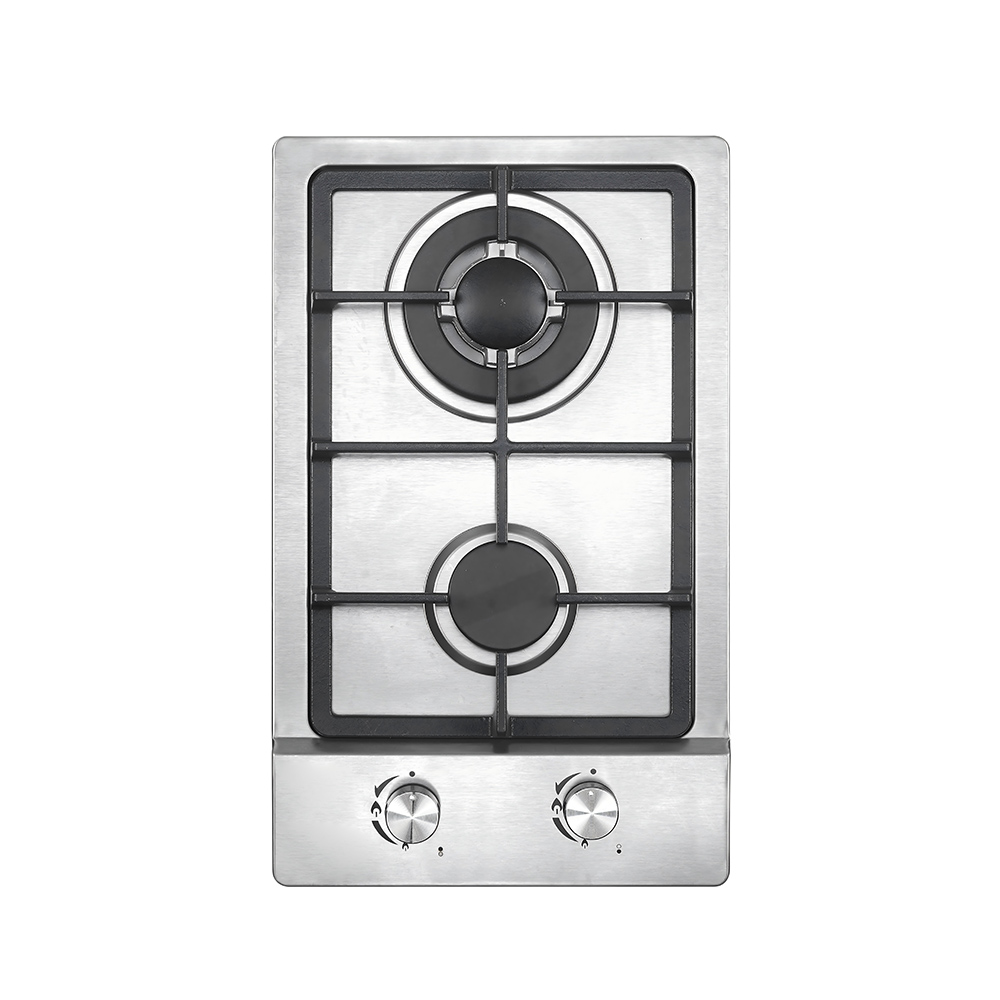
Thermocouples and Flame Failure Devices (FFD) act as critical safety nets in modern gas appliances. A thermocouple consists of two dissimilar metal wires joined at one end. When heated by the burner flame, it generates a small millivolt electrical current. This current holds a magnetic safety valve open inside the manifold, allowing gas to flow. If a sudden pressure drop causes the flame to extinguish, the thermocouple cools rapidly. The voltage drops, and the magnetic valve snaps shut, cutting off the gas supply entirely.
This mechanism prevents unburned gas from filling the kitchen. Response time is a primary safety criterion. Fast-acting FFD systems are essential in regions with unstable gas infrastructure where pressure dips are common. A reliable FFD cuts off the supply within 5 to 10 seconds of flame loss. Technicians test this on-site by intentionally blowing out the flame and timing the audible click of the magnetic valve closing.
Varying pressures affect the actual British Thermal Unit (BTU) or Kilowatt (kW) output of the appliance. A pressure drop reduces the volume of gas reaching the burner, subsequently reducing the heat generated. This affects multi-burner configurations differently. High-output wok burners demand a massive volume of gas. They suffer noticeable performance drops during pressure dips, struggling to maintain boiling temperatures for large pots.
Medium and small auxiliary burners operating simultaneously will actually starve the wok burner if the overall line pressure is inadequate. Evaluate manufacturer spec sheets carefully. Ensure the advertised heat output remains consistent after an LPG or NG conversion. High-quality appliances utilize advanced manifold designs that distribute pressure evenly. This ensures the wok burner retains its power even when smaller burners are active on the same integrated kitchen gas cooktop.
Gas valves require specific material specifications to withstand continuous pressure fluctuations over a lifespan of ten to fifteen years. Forged brass offers superior durability compared to standard die-cast aluminum alloys. Brass is incredibly dense, resists warping under thermal stress, and prevents leaks under high pressure. Aluminum, while lighter, can be porous and prone to micro-fractures over time, especially when subjected to the higher pressures of LPG systems.
High-tolerance machining in the manifold pipe is equally important. Precision engineering ensures that the threads connecting the valves to the manifold are perfectly sealed. This prevents micro-leaks under high-pressure scenarios. Poorly machined manifolds will eventually fail due to the constant expansion and contraction caused by heat and pressure. Thread galling during assembly also compromises the seal, creating hidden, dangerous gas leaks inside the kitchen cabinetry.
Commercial buyers and property developers prioritize adaptable cooking ranges. They need appliances that align efficiently with diverse regional pressure requirements without fragmenting their inventory into dozens of unique SKUs. Dual-fuel compatibility simplifies procurement for international projects. Sourcing a single, adaptable model reduces logistical overhead and warehouse storage requirements.
It allows developers to deploy the exact same appliance across different global projects, from a high-rise in London utilizing municipal NG to a resort in the Caribbean relying on bulk LPG tanks. This standardization streamlines maintenance training, spare parts sourcing, and overall project management. Installers only need to learn one set of conversion protocols, reducing on-site labor errors.
Primary gas appliance certifications include CE for Europe, CSA for North America, and AGA for Australia. Each standard dictates specific, rigorous testing criteria for pressure tolerance, combustion efficiency, and safety mechanisms. Testing laboratories subject these appliances to extreme pressure variations to ensure flames remain stable, carbon monoxide emissions stay within safe limits, and valves do not leak under stress.
Importing a non-certified countertop gas cooking appliance introduces severe liability. Installing uncertified equipment violates local building codes, fails municipal safety inspections, and completely voids property insurance policies in the event of a fire. Always verify that the appliance holds the correct, stamped regional certification mark on its data plate before authorizing installation.
A clear division of responsibility exists between facility infrastructure and the appliance itself. Facility management or the local utility company handles line regulators and meters. The appliance manages final pressure delivery to the burners. Double regulating is a common, frustrating implementation risk encountered by field technicians.
This happens when an appliance regulator is mistakenly installed on a gas line that already features a dedicated low-pressure regulator downstream from the meter. Double regulating severely starves the hob of gas. The resulting pressure is too low to open the internal valves properly, resulting in weak, unusable flames or an appliance that fails to ignite entirely. Installers must audit the existing pipework with a manometer to determine if the appliance regulator should be bypassed or utilized.
Sourcing hobs with proprietary or highly unusual conversion nozzles creates significant operational risk. Difficult-to-source parts delay essential maintenance and force users to rely on unsafe, temporary fixes. Establish a strict maintenance schedule. Inspect regulators, valves, and burner caps annually to ensure the pressure dynamics remain stable.
This is especially important in regions known for dirty gas supplies containing high levels of moisture, oils, or particulate matter. These impurities clog regulators and narrow the orifice of injector nozzles, artificially altering the pressure dynamics. Routine cleaning of gas lines and functional checks of regulators ensure the appliance operates safely and efficiently over its intended lifespan. Technicians should clear venturi tubes of dust and debris to maintain the correct primary air mixture.
Audit your local gas supply specifications, identifying both the exact gas type and delivery pressure, before finalizing any procurement decisions.
Specify dual-fuel compatible models that include factory-tested NG and LPG conversion nozzles directly in the box to prevent installation delays.
Mandate that installers use a digital manometer to verify incoming line pressure prior to connecting the appliance manifold.
Verify the appliance holds the specific safety certifications (CE, CSA, or AGA) required by your local building codes.
Establish an annual maintenance schedule to inspect burner caps, clear venturi tubes, and test the response time of the Flame Failure Devices.
A: Tampering with regulators creates severe safety hazards. Burner size and nozzle diameter dictate maximum safe output, not manual pressure adjustments. Low flames usually indicate a mismatched nozzle, a faulty regulator, or a broader infrastructure issue. Never attempt to manually boost pressure to achieve a larger flame.
A: Line regulators manage higher pressure from the municipal main to the building. This helps maintain distribution efficiency across the property. Appliance regulators fine-tune the pressure immediately before it enters the hob's manifold. They ensure the burners receive a stable, safe flow for consistent cooking.
A: Most premium models are dual-fuel compatible. They include conversion kits to prevent inventory fragmentation for developers. However, budget models may be factory-set for one gas type only. These single-fuel models cannot be safely converted and lack the necessary interchangeable nozzles.
A: A yellow flame indicates incomplete combustion. This is typically caused by using an NG nozzle with a higher-pressure LPG supply. It requires an immediate nozzle swap and aeration adjustment. Correcting the hardware restores visual flame control and prevents dangerous soot buildup.
A: Internal gas regulation mechanics are nearly identical between the two. However, built-in hobs save more space in the long term. They have stricter ventilation and clearance requirements. These must be strictly adhered to when managing gas lines and heat dissipation in confined cabinetry.


