

close
Choose Your Site
Global
Social Media
Views: 0 Author: Site Editor Publish Time: 2026-08-14 Origin: Site


High-BTU cooking environments often ignore a glaring issue: disruptive noise. Mechanical vibration, metal-on-metal rattling, and high-pressure gas flow create significant acoustic stress in compact cooking setups. In commercial prep areas or tight residential kitchens, excessive noise from a poorly constructed stove increases operator fatigue and degrades the working environment. Buyers routinely focus solely on heat output. They neglect the acoustic impact of burner mounting, chassis stability, and component wear.
Acoustic stability is an engineered feature, not an accident. Specific burner mounting techniques, material density, and gas flow management separate a premium, quiet unit from a rattling, entry-level appliance. Proper cookware pairing also plays a vital role in minimizing acoustic resonance. You will learn how structural engineering choices dictate the noise levels of your cooking equipment and how to identify appliances built for quiet, heavy-duty operation.
Mass Absorbs Vibration: Heavy-duty cast iron grates and thick-gauge stainless steel chassis are non-negotiable for dampening mechanical resonance during high-heat cooking.
Mounting Architecture Matters: Fixed, interlocking burner mounts prevent the micro-movements that cause high-frequency rattling between the burner tube, the chassis, and the cookware.
Gas Flow Acoustics: Noise isn't just mechanical; hissing and roaring are mitigated by securely mounted burner tubes, precision-machined air gates, and high-quality regulators.
Component Integrity is Critical: Sudden increases in noise often indicate mechanical failure, such as a cracked burner tube or a failing regulator, rather than just poor design.
Safety in Dampening: Acoustic mitigation in gas appliances must rely on structural engineering (mass and fit) rather than aftermarket vibration-dampening materials near the heat source, which pose severe fire hazards.
Noise in a cooking appliance originates from multiple distinct sources. Mechanical vibration is the most common offender. When you bring a large pot of water to a rolling boil, the liquid generates substantial kinetic energy. This energy transfers directly downward through the cookware and into the stove grates. If the grates lack sufficient mass, they vibrate against the chassis. This metal-on-metal contact creates a persistent, high-frequency rattle. A well-engineered Stainless Steel Table Top Gas Cooker uses heavy components to absorb this kinetic energy before it becomes audible noise. You need dense materials to stop the transfer of movement from the pot to the frame.
Gas flow and combustion mechanics also contribute heavily to the acoustic profile. Gas travels from the supply line through a regulator, past the control valve, and into the burner tube. This process relies on specific pressure dynamics. If the burner tubes sit loosely in their brackets, the rushing gas causes them to vibrate. Furthermore, the air shutter, or air gate, controls the oxygen mix. Misaligned or loose air gates flutter under gas pressure, producing a distinct hissing sound. Low-quality regulators fail to smooth out pressure spikes, resulting in a low-frequency roaring noise during operation. You can often hear a cheap regulator struggling to maintain consistent manifold pressure.
The interaction between your cookware and the stove surface dictates a large portion of ambient noise. Lightweight aluminum or thin copper pans warp over time when exposed to open flames. A warped pan no longer sits flat on the grate. As the liquid inside boils, the warped pan rocks back and forth, striking the metal grate repeatedly. Heavy, flat-bottomed cookware, such as a thick cast iron skillet or heavy-gauge stainless steel pot, stabilizes the cooking surface. The sheer weight of the pan pins the grate down, significantly reducing acoustic resonance. Upgrading your pans often solves rattling issues instantly.
Setting baseline expectations helps when evaluating equipment. Gas combustion naturally produces a low-frequency roar. Rapid oxidation and flame generation push air outward. You cannot stop this physics. In contrast, induction cooking relies on magnetic fields, producing a high-frequency hum or buzzing sound. Understanding the difference between normal combustion sounds and abnormal mechanical rattling allows you to accurately assess the structural integrity of your equipment.
To systematically identify noise sources in your setup, follow this diagnostic sequence:
Remove all cookware from the grates and ignite the burners to isolate gas flow noise from mechanical rattling.
Listen closely to the air gate behind the control knob for high-pitched whistling, indicating an improper oxygen mixture.
Place a heavy, cold cast iron pan on the grate and tap the handle to check for loose seating between the grate and the chassis.
Inspect the regulator connection at the rear of the unit for low-frequency humming, which points to diaphragm wear.
The method used to secure the burner to the chassis directly impacts noise levels. Fixed burner mounts bolt or weld directly to the internal framework of the stove. This rigid connection eliminates all movement. Zero movement translates to zero mechanical rattling during high-heat applications. Heavy-duty hex bolts and lock washers keep the burner assembly locked in place despite thermal expansion. However, fixed mounts complicate deep cleaning. Kitchen staff must use tools to remove the burners for maintenance. You trade cleaning speed for acoustic stability.
Floating mounts offer an alternative. These burners rest on internal support brackets without permanent fasteners. Staff can easily lift them out for daily washing. While convenient, floating mounts require high-precision machining. If the manufacturer uses loose tolerances, floating burners will rattle aggressively against their brackets. The metal expands as it heats up. If the bracket gap is too large, the burner shifts during cooking, creating a persistent clanking sound.
Material density plays a critical role in acoustic dampening. Interlocking cast iron grates provide superior noise reduction. Cast iron is exceptionally dense and absorbs acoustic energy effectively. It provides a stable, unyielding base for heavy pots. Manufacturers design interlocking grates to fit tightly together, preventing lateral movement. Conversely, stamped steel supports amplify vibration. Stamped steel is thin and lightweight. Under high heat, steel supports warp and lose their shape. This warping leads to uneven seating, causing pots to wobble and increasing overall noise.
Premium manufacturers employ specialized materials to isolate vibration. High-heat dampening gaskets sit between the burner base and the stainless steel top. These gaskets consist of heat-resistant silicone or woven ceramic fibers. They act as shock absorbers. When a heavy pot strikes the grate, the gasket compresses slightly, absorbing the impact and preventing the vibration from transferring into the hollow stainless steel chassis. This isolation technique drastically reduces the echoing effect common in lower-tier appliances.
Burner Mounting Acoustic Performance Matrix
Mounting Type | Acoustic Stability | Maintenance Difficulty | Vibration Transfer |
|---|---|---|---|
Fixed (Bolted with Lock Washers) | Excellent | High (Requires Hand Tools) | Minimal |
Floating (Precision Bracketed) | Moderate | Low (Easy Lift-Off) | Moderate |
Floating (Loose Tolerance) | Poor | Low (Easy Lift-Off) | High |
Gasket-Isolated (Ceramic/Silicone) | Superior | Moderate (Requires Gasket Inspection) | Very Low |
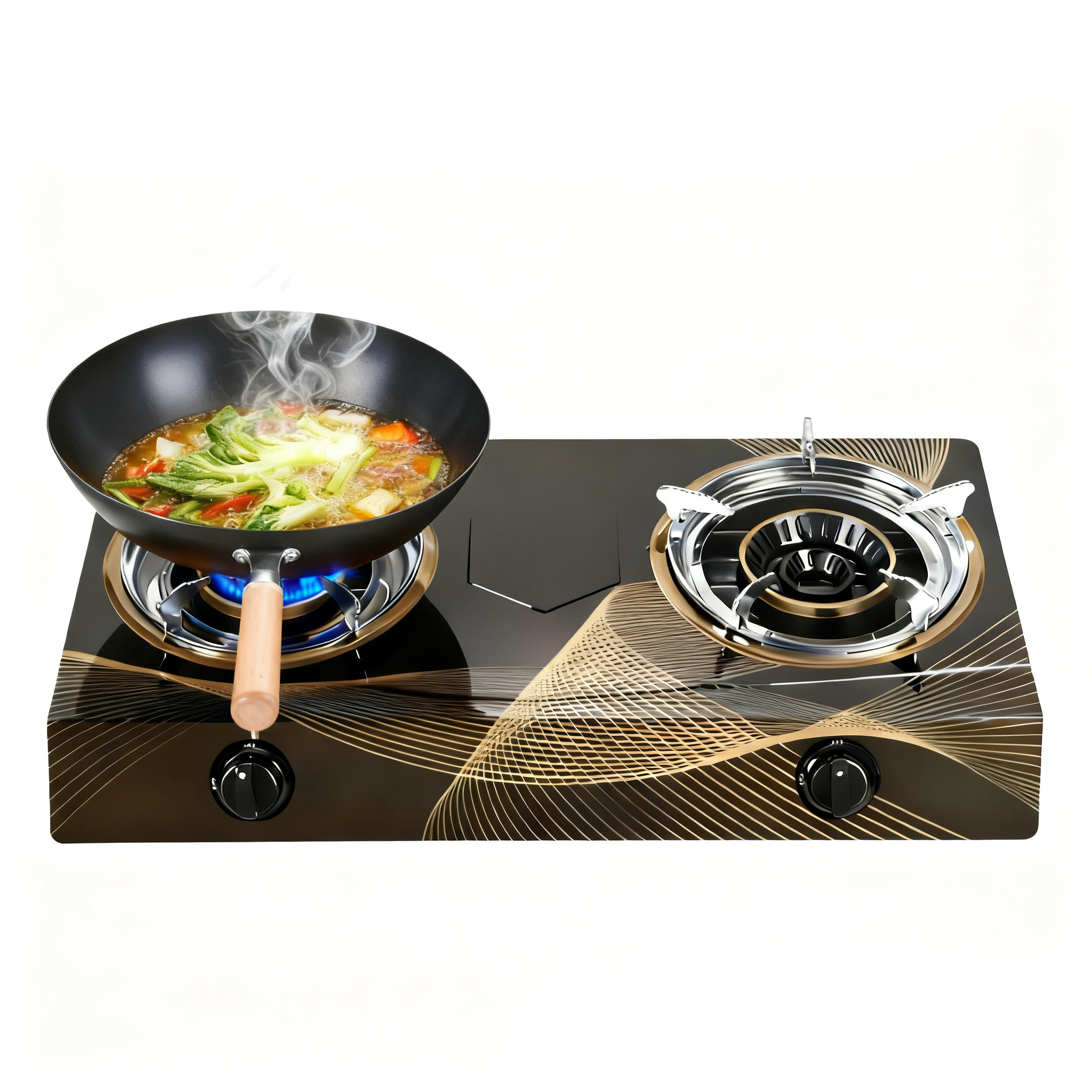
When assessing a heavy duty countertop gas stove, begin by inspecting the air gate and regulator stability. Combustion efficiency dictates noise. A securely mounted air gate allows for precise adjustments without fluttering. You should be able to lock the air shutter firmly in place once you achieve a clean, blue flame. Loose air gates create turbulent gas flow, which causes whistling or sputtering. Similarly, the regulator must feel solid and securely attached to the gas manifold. A vibrating regulator introduces pressure waves into the gas line, amplifying combustion noise.
Next, examine the burner tube securement. The connection point between the gas valve orifice and the burner tube is a primary source of noise. The tube must align perfectly with the valve. Loose connections here allow gas to escape and create a loud hissing sound. If you experience a sudden onset of loud roaring during operation, immediately shut off the gas. This noise often points to a broken or cracked burner tube. Cast iron tubes can crack if dropped, while brass tubes may suffer from thermal fatigue over time. A cracked tube requires immediate replacement to ensure safe and quiet operation.
Surface flatness directly influences structural integrity. A seamless, heavy-gauge stainless steel surface prevents the chassis from flexing under the weight of heavy stockpots. Chassis flex is detrimental to acoustic stability. When the metal bends, it creates tiny gaps between the removable parts and the main body. These gaps allow grates and burner covers to vibrate against the chassis. Press down firmly on the center of the stove top. It should not yield or pop. A rigid surface ensures all components remain tightly seated during use. Look for 18-gauge or thicker 304 stainless steel for the best results.
Finally, consider chassis isolation and the mounting surfaces. The stove must not transfer its vibration into the countertop or prep table. Heavy-duty, adjustable rubber mounting feet are essential. These feet isolate the stove, preventing the hollow cavity of a stainless steel prep table from acting like a drum and amplifying the sound. For maximum noise reduction, place a commercial-grade, heat-resistant silicone prep mat under the entire unit. This extra layer of dampening stops vibration transfer completely, resulting in a significantly quieter cooking environment.
How you operate the equipment impacts the overall noise level of the kitchen. Strategic burner utilization makes a noticeable difference. Kitchen range hoods pull air most effectively from the rear of the cooking surface. You should reserve the back burners for high-BTU, noisy tasks like rapid boiling, heavy searing, or deep frying. Placing these aggressive cooking processes directly under the strongest suction zone improves the capture efficiency of the overhead hood. You contain the thermal plume faster and more effectively.
Improving hood capture efficiency reduces secondary kitchen noise. When you maximize pollutant, grease, and steam capture by using the rear burners, you do not need to run the exhaust fan at maximum capacity. You can operate the range hood on lower, quieter settings. Exhaust fans are often the loudest piece of equipment in a kitchen. Running a 1200 CFM hood at half speed can drop ambient noise by 15 decibels. By optimizing your burner placement, you significantly reduce the overall acoustic footprint of the workspace, creating a more comfortable environment for everyone.
Exhaust Fan CFM and Ambient Noise Correlation
Fan Speed Setting | Estimated CFM Draw | Average Decibel (dB) Output | Impact on Kitchen Communication |
|---|---|---|---|
Low (Rear Burner Use Only) | 400 - 600 | 60 - 65 dB | Normal conversation possible |
Medium (Mixed Burner Use) | 800 - 1000 | 70 - 75 dB | Raised voices required |
High (Front Burner Heavy Use) | 1200+ | 80 - 85+ dB | Shouting required; high fatigue |
Buyers must navigate the inverse relationship between portability and noise reduction. A heavier unit naturally runs quieter. Thick-gauge steel and dense cast iron components absorb vibration and resist flexing. However, this mass sacrifices ease of transport. A 40-pound stove provides excellent acoustic stability but requires significant effort to move. Caterers and mobile food vendors often prefer lightweight equipment. A 15-pound stove is easy to carry to an outdoor setup, but the thin metal and lightweight grates will rattle loudly under heavy use. You must decide which factor is more critical for your specific application.
Maintenance requirements also conflict with secure mounting designs. Burners and grates with highly secure, multi-point mounts reduce noise effectively. However, they increase the time required for end-of-shift teardown and cleaning. Staff must unbolt components to access the drip pans. To speed up cleaning, many designs feature removable burner covers and smooth, flat surfaces. While these simplify wipe-downs and prevent food buildup, the removable parts introduce noise risks. If a commercial tabletop cooker utilizes removable parts, those parts must be precision-engineered to seat perfectly flat. Otherwise, they become the primary source of rattling during service.
Consider the daily operational workflow before making a purchase. If the stove remains stationary on a prep counter for months at a time, prioritize heavy cast iron and bolted mounts. The extra five minutes of cleaning time is worth the permanent reduction in kitchen noise. If you move the stove daily for off-site events, you must accept a higher baseline noise level in exchange for manageable carrying weight.
Attempting to modify a noisy stove carries severe risks. You must avoid do-it-yourself vibration dampening. Standard acoustic dampening materials, such as butyl rubber mats used in automotive applications or foam used in range hoods, are highly dangerous near open flames. These materials cannot withstand high temperatures. If applied near gas burners or inside the chassis, they will melt, release toxic off-gassing, and pose a severe fire hazard. Acoustic mitigation in gas appliances must rely entirely on the original structural engineering, mass, and fit.
Instead of retrofitting, focus on validating manufacturer claims before purchase. Do not accept vague marketing terms. Look for specific engineering specifications. Verify the gauge of the stainless steel; 18-gauge steel is thicker and quieter than 22-gauge. Check the total weight of the unit to confirm the presence of dense materials. Inspect the type of grate material, prioritizing cast iron over steel wire. Finally, confirm the presence of precision brass valves and secure air gates. A stainless steel table top gas cooker built with these specifications will naturally operate quietly without the need for dangerous aftermarket modifications.
When inspecting a unit upon delivery, perform a manual shake test. Grip the chassis firmly and give it a slight shake. Listen for internal rattling. Loose internal heat shields or poorly secured gas manifolds will reveal themselves immediately. Tighten any accessible factory screws before connecting the gas line to establish a solid, quiet baseline.
Measure the thickness of the chassis metal using a standard gauge tool to confirm it meets 18-gauge specifications for maximum rigidity.
Inspect the burner tube connections manually to ensure zero lateral movement before connecting the gas supply line.
Replace all warped aluminum pans with heavy-bottomed cast iron or multi-clad stainless steel cookware to stop surface rattling.
Install high-temperature silicone isolation mats under the unit's feet to block vibration transfer to the stainless steel prep table.
Adjust the air gate on each burner until the flame burns solid blue, eliminating the hissing sound caused by turbulent oxygen flow.
A: A hissing noise usually indicates turbulent gas flow. This occurs when the air gate (air shutter) is loose or misaligned, causing it to flutter as gas rushes past. It can also result from a loose connection between the gas valve orifice and the burner tube. Adjusting and tightening the air gate typically resolves this issue.
A: A sudden, significant increase in noise, often a loud roaring sound, usually indicates a mechanical failure rather than a design flaw. The most common cause is a cracked or broken burner tube. It can also point to a failing gas regulator that is no longer managing pressure spikes. Shut off the gas immediately and inspect these components.
A: Yes, cookware heavily influences noise. Lightweight, thin pans warp over open flames. A warped pan rocks on the grates, creating a loud metal-on-metal rattle. Heavy, flat-bottomed cookware, such as cast iron, sits flat and pins the grates down, absorbing vibration and drastically reducing noise.
A: No. You should never add aftermarket rubber, foam, or automotive sound-dampening materials near the grates or burners. These materials are not rated for the extreme temperatures of an open flame. They will melt, release toxic fumes, and create a severe fire hazard. Rely on the stove's built-in mass for dampening.
A: Yes. Cast iron is significantly denser and heavier than stamped steel. This mass absorbs the kinetic energy and vibration caused by boiling liquids and heavy pots. Stamped steel is thin and lightweight, which amplifies vibration and tends to warp under high heat, leading to uneven seating and increased rattling.
A: Locate the air gate at the base of the burner tube near the gas valve. Loosen the set screw slightly. Ignite the burner and rotate the air shutter until the flame is solid blue with no yellow tips and the hissing sound minimizes. Hold the shutter firmly in that position and tighten the set screw securely.
A: Generally, yes. A heavier stove utilizes thicker-gauge stainless steel and denser cast iron components. This increased mass resists chassis flexing and absorbs mechanical vibration much better than lightweight, thin-metal appliances. While heavier units are harder to transport, they provide superior acoustic stability during high-heat cooking.


