

close
Choose Your Site
Global
Social Media
Views: 0 Author: Site Editor Publish Time: 2026-10-26 Origin: Site


Picture the chaotic peak of a Friday night dinner service. Tickets are printing relentlessly. The ambient heat is sweltering, and your line cooks are moving at a breakneck pace. In this high-stakes environment, a warped stovetop slowing down ticket times is not just a minor inconvenience. It is a direct hit to your restaurant's bottom line.
Executive chefs frequently battle uneven heat distribution. Meanwhile, owners dread the recurring capital drain of replacing failing equipment. You need a reliable, permanent solution that anchors your cooking line. Upgrading your facility's primary heating element is no longer optional. It is a foundational necessity for any serious culinary operation requiring relentless thermal output and structural stability.
Unmatched Durability: Solid iron construction withstands the extreme physical impacts and high temperatures of daily commercial use without warping, denting, or cracking.
Superior Heat Retention: Massive thermal weight provides consistent, even heating. This remains crucial for professional chefs managing high-volume orders and complex sauces.
Cost-Effective ROI: Despite a heavier initial weight and setup, the decades-long lifespan makes this material highly cost-effective compared to aluminum or brass alternatives.
Versatile Application: A professional setup handles everything from delicate, low-temperature simmering to high-BTU wok searing with absolute ease.
Straightforward Maintenance: With basic daily brushing and routine oil seasoning, heavy-duty iron resists rust and maintains its structural integrity indefinitely.
Looking at current culinary facility trends, modern commercial kitchens face tightening profit margins and a growing emphasis on operational sustainability. While induction technology frequently generates media buzz, the exorbitant initial conversion costs and cookware incompatibility mean gas remains the undisputed champion for high-volume restaurants. However, procurement strategies are shifting rapidly.
Instead of buying cheap, disposable equipment, buyers now heavily lean toward total lifecycle value. Operators prioritize high-efficiency, durable assets that minimize long-term capital expenditure. Rising energy costs dictate that kitchens can no longer afford heat loss. Consequently, engineers and facility designers are specifying high-thermal-mass equipment to ensure every ounce of fuel translates directly into cooking power. This pragmatic approach drastically reduces the frequency of replacement parts and costly operational downtime.
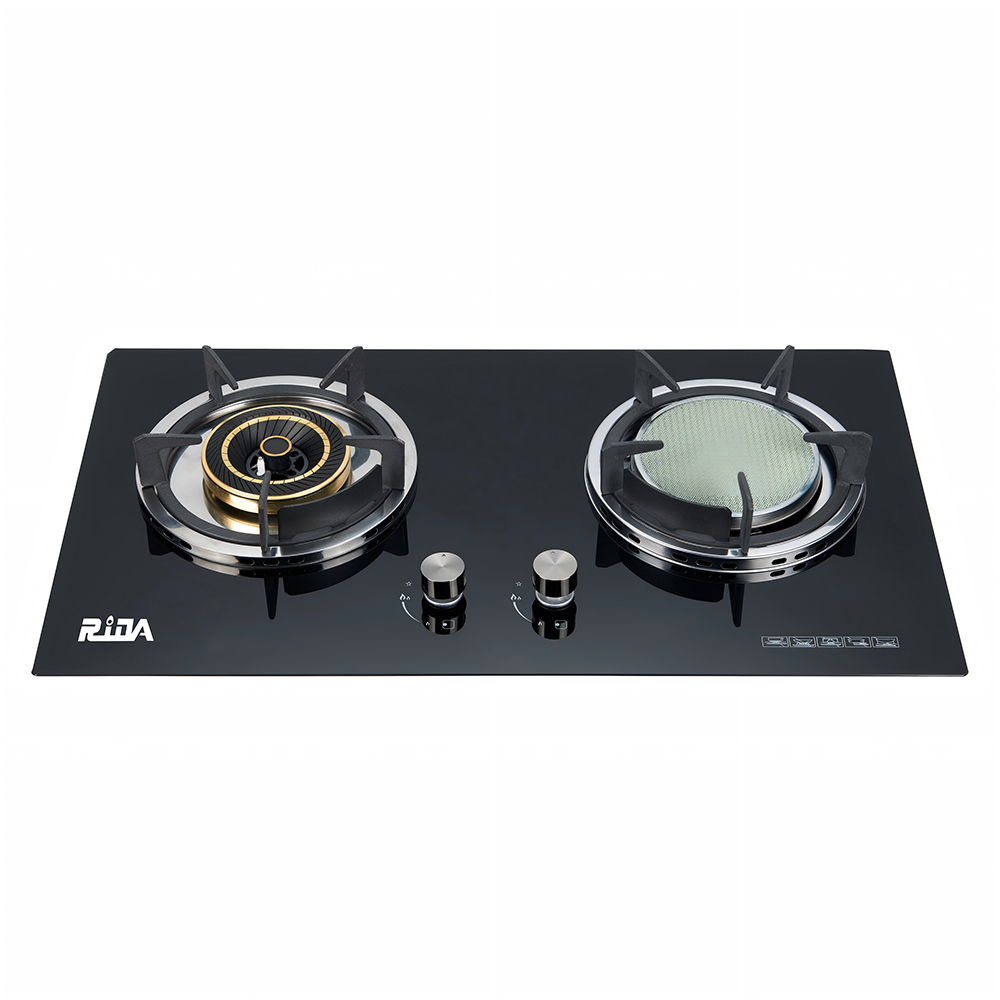
At its core, this equipment is a heavy-duty heating element designed specifically to shoulder the rigorous demands of professional kitchens. Residential models are often stamped from paper-thin sheets of steel or aluminum. In stark contrast, commercial components are manufactured through a meticulous sand-casting process. Molten iron, typically containing 2% to 4% carbon, is poured directly into a specialized mold.
This traditional metallurgical technique results in a solid, single-piece construction. It completely eliminates weak weld points and provides exceptional structural density. This density is the primary reason professional kitchens rely on a solid cast iron burner for continuous, high-volume cooking. For instance, top-tier models often feature a 130mm multi-ring design, engineered to deliver a concentrated whirlwind flame that maximizes fuel combustion.
To truly understand its performance on the line, one must look at the anatomy of the unit. The system generally consists of three main components. These include the precision-drilled burner head, the venturi tube connected to the gas valves, and the massive supporting grates.
The burner head features specific ports that ensure a flawless, even distribution of the gas flame. Because the walls are exceptionally thick, they safely process and contain massive British Thermal Units. Outputs frequently range from 30,000 to well over 100,000 BTUs per unit in commercial settings. Beneath the surface, the venturi tube aggressively mixes raw gas with ambient oxygen at optimal ratios before it reaches the head. This guarantees a clean, deep blue flame. Finally, the thick grates sit above the fire, absorbing and radiating immense heat while securely cradling heavy commercial cookware.
Restaurant owners and procurement managers base their capital expenditure decisions on three pillars: reliability, performance, and long-term value. Traditional iron consistently meets and exceeds these criteria through its unique thermodynamic and physical properties.
Commercial kitchens are unforgiving battlegrounds. Equipment endures relentless physical abuse. Chefs routinely slam 50-quart stockpots onto the stove. They slide heavy carbon steel pans rapidly across the grates and subject the metal to continuous, intense thermal cycling. Thinner metals suffer from immediate thermal shock and physical denting under these extreme conditions.
Iron possesses immense compressive strength. It simply does not yield. Its high resistance to thermal deformation means it will remain perfectly flat, even when subjected to maximum firepower for 16 hours a day.
Thermodynamics dictates the pace of a professional kitchen. Iron boasts a remarkably high specific heat capacity and thermal mass. It may take a fraction of a minute longer to reach its maximum temperature compared to lighter, flimsier metals. However, it holds onto that heat brilliantly.
This retention translates to a highly stable cooking surface. When a line cook drops a large batch of cold proteins into a pan, a standard stove struggles to maintain temperature. This leads to sad, grey boiling rather than a crisp sear. A massive iron system radiates a consistent wall of heat, preventing cold spots and ensuring food caramelizes predictably.
When outfitting a new facility, buyers often weigh iron against brass and aluminum. Understanding the distinct metallurgical differences is essential for making an informed, future-proof purchasing decision.
Material | Thermal Mass | Durability | Best Commercial Application |
|---|---|---|---|
Cast Iron | Excellent | Extreme | High-volume sautéing, heavy stockpots, continuous indoor use |
Brass | Good | Moderate | Outdoor luxury grills, marine environments |
Aluminum | Poor | Low | Light-duty residential, occasional warming |
Brass is an alloy of copper and zinc. It is highly resistant to corrosion and withstands ambient moisture exceptionally well. This makes it a popular choice for outdoor luxury grills. However, brass possesses a lower melting point than iron. It can warp or degrade under the extreme, concentrated weight and relentless heat of heavy indoor commercial cooking. Solid iron handles massive weight and continuous high-BTU output much more effectively.
Aluminum is lightweight, highly inexpensive, and heats up rapidly. These traits make it perfectly suitable for light-duty residential breakfasts. In stark contrast, aluminum is fundamentally unsuited for commercial stress. Its soft molecular structure means it will quickly warp, melt, or collapse when exposed to prolonged, intense heat. Upgrading from aluminum to iron is not merely a chef's preference. It is a mandatory safety and performance requirement for any high-volume establishment.
Modern culinary spaces often incorporate different heating technologies to optimize their workflow and menu execution. Two of the most common are traditional open-flame systems and radiant infrared technology.
An infrared gas burner operates entirely differently than a standard open flame. It utilizes gas to heat a porous ceramic plate until it glows red hot. This emits radiant infrared energy directly into the food or cookware. This technology is incredibly fuel-efficient and reaches maximum temperatures almost instantly. In practice, it is exceptionally well-suited for specific, targeted tasks such as broiling steaks, melting cheese on a salamander, or providing direct heat for rotisseries.
While infrared technology is excellent for direct searing, it has strict physical limitations. It requires perfectly flat-bottomed pans to work efficiently. Furthermore, the ceramic plates can be fragile if accidentally struck by heavy pots. Iron relies on convection and conduction. It allows flames to organically wrap around the curved edges of carbon steel woks or large, uneven stockpots. For versatile, general sautéing, heavy braising, and enduring the brute physical impact of daily service, the traditional iron setup remains the undisputed workhorse.
The physical equipment in a workspace directly impacts the speed, safety, and efficiency of the staff operating it. A well-designed cooking station minimizes friction in the workflow, allowing chefs to focus entirely on the food.
In a fast-paced diner or fine-dining establishment, recovery time refers to how quickly a pan returns to its target cooking temperature after cold ingredients are introduced. Because a well-engineered commercial gas hob possesses massive thermal weight, it acts as a heat battery. It pushes a continuous, unyielding wave of energy into the cookware. This instant thermal recovery prevents foods from steaming in their own juices, allowing chefs to achieve perfect sears and faster ticket times during the peak dinner rush.
Commercial cookware requires an incredibly stable foundation. The naturally textured, slightly porous surface of iron grates provides excellent friction. This vital characteristic prevents heavy, boiling pots from dangerously sliding around when chefs stir vigorously or deglaze a pan. This stability not only improves cooking efficiency but also drastically reduces the risk of severe workplace burn accidents, keeping your kitchen compliant with strict occupational safety standards.
Selecting the right equipment is a critical capital expenditure. Procurement managers must look beyond the initial price tag and evaluate the technical specifications that dictate long-term performance.
The primary metric for any cooking equipment is its thermal output. A standard residential stove typically maxes out at around 15,000 BTUs. Conversely, a commercial unit must deliver between 25,000 and 40,000 BTUs per hour. For specialized applications like Asian wok cooking, outputs routinely exceed 100,000 BTUs.
Beyond raw power, professional chefs require absolute control. The gas valves and burner rings must allow for a seamless transition from a roaring sear to a whisper-quiet simmer. When evaluating a unit, closely inspect the dual-ring or multi-ring designs. These configurations allow staff to operate the inner and outer rings independently. This provides the thermodynamic flexibility required for executing complex menus.
Ergonomics play a massive role in daily operations. Look for modular grates designed to remain perfectly flush. A flat surface across the entire cooking battery allows chefs to safely slide heavy stockpots from one zone to another without lifting, thereby reducing physical fatigue. Furthermore, these grates must be easily removable. At the end of a grueling 12-hour shift, staff need to disassemble the surface quickly for deep cleaning without requiring specialized tools.
From a metallurgical standpoint, not all iron is cast equal. High-quality units are typically made from single-piece, sand-cast iron. This eliminates seams that are prone to cracking under thermal stress. Examine the wall thickness carefully. Thicker walls provide superior thermal mass. Investing in a top-tier heavy duty burner ensures the metal will not warp or dent when a 50-pound pot of boiling water is repeatedly dropped onto it.
A common hesitation among buyers is the perceived difficulty of maintaining iron. While the metal is susceptible to oxidation if neglected, proper maintenance in a commercial setting is highly standardized, straightforward, and easily integrated into closing duties.
Daily maintenance is primarily about fire safety and maintaining proper airflow. During a busy shift, grease and liquids will inevitably spill. If left uncleaned, this debris carbonizes, blocking the gas ports and creating an uneven, dangerous flame.
Once the grates have cooled to a warm, safe temperature, staff should use a stiff wire brush to aggressively scrub away carbonized food. Visually inspect the small ports where the gas exits. Finally, wipe down the entire assembly with a heavy-duty, non-corrosive degreaser and dry it immediately with a clean towel to prevent ambient moisture from settling.
Just like a beloved skillet, your commercial stovetop benefits immensely from a chemical process called polymerization. After a deep clean and thorough drying, apply a very thin, even layer of high-smoke-point oil, such as canola or grapeseed oil, to the grates and the exterior of the head. Turn the heat on low for 20 minutes. The oil will smoke slightly and bond to the iron, forming a dark, slick, rust-proof patina. Doing this routinely creates an impenetrable barrier against acidic food spills and kitchen humidity.
Building a resilient, high-functioning culinary workspace begins with a rock-solid foundation. Upgrading to professional-grade iron equipment offers unmatched durability, exceptional heat retention, and a highly favorable return on investment. The initial weight and installation might require more effort than lighter alternatives. However, the decades of flawless, warp-free service make it an indispensable asset. Stop letting equipment failures dictate your kitchen's rhythm. For engineers, facility managers, and chefs looking to secure long-term operational success, evaluating high-performance solutions from trusted manufacturers like Ridax is the definitive next step. Explore Ridax's comprehensive lineup of commercial-grade heating elements to find the exact configuration your kitchen demands.
They can oxidize if exposed to constant moisture without proper care. However, in a bustling commercial setting, rust is rarely an issue. The intense heat of regular daily use naturally burns off ambient moisture. Implementing a routine seasoning protocol creates a highly durable, rust-resistant barrier. As long as the equipment is kept dry after cleaning, rust is entirely preventable.
Absolutely. The core difference lies in their metallurgical properties. Aluminum has a relatively low melting point and is highly susceptible to thermal fatigue. Under the extreme, prolonged heat and heavy physical impact of a commercial kitchen, aluminum will eventually warp or melt. Iron offers massive thermal mass and structural rigidity, retaining its exact shape and performance metrics indefinitely.
When properly maintained, a high-quality sand-cast iron unit can easily last for decades. Because there are no moving parts within the cast structure itself, the primary wear and tear occur on the separate gas valves and springs. The iron body will outlast almost every other piece of equipment in the kitchen, making it one of the highest ROI investments available.
Yes. Most commercial grade units are designed to accommodate both Natural Gas and Liquid Propane. However, this conversion requires swapping out the internal gas orifices to match the specific pressure and flow rate of the new fuel type. This must be done using a manufacturer-approved conversion kit and should always be performed by a certified gas technician to ensure optimal combustion and compliance with safety regulations.
Surface maintenance must be performed daily. A more intensive deep clean should be scheduled weekly. This routine involves using a metal pin to ensure all gas ports are completely unobstructed. Never use wooden toothpicks, which can snap off and create a fire hazard. Verifying that the venturi tubes are clear of debris maintains optimal gas-to-air combustion and prevents dangerous flashbacks.


